
होमAsian CricketMumbai Indians 2027: Captaincy Speculation Grows, No Confirmation on Rohit Sharma’s Return—Full Story of Coaching Changes and Hardik Trade Talk
Mumbai Indians 2027: Captaincy Speculation Grows, No Confirmation on Rohit Sharma’s Return—Full Story of Coaching Changes and Hardik Trade Talk
मुंबई इंडियंस 2027 की कप्तानी को लेकर रोहित शर्मा की वापसी और तिलक वर्मा के उपकप्तान बनने की चर्चा है, लेकिन क्लब ने इसकी पुष्टि नहीं की। पुष्टि केवल नए कोचिंग स्टाफ और 16 दिसंबर को गोवा में नीलामी की है। हार्दिक पांड्या के ट्रेड की बातें मध्यम स्तर की हैं। रोहित के कप्तान बनने पर वे इम्पैक्ट प्लेयर नहीं रह सकेंगे, जो 39-40 वर्ष की उम्र में बड़ा कार्यभार है। इसे प्रतीकात्मक या विदाई व्यवस्था भी माना जा सकता है। रिटेंशन और हार्दिक ट्रेड अगले सत्यापन बिंदु हैं।
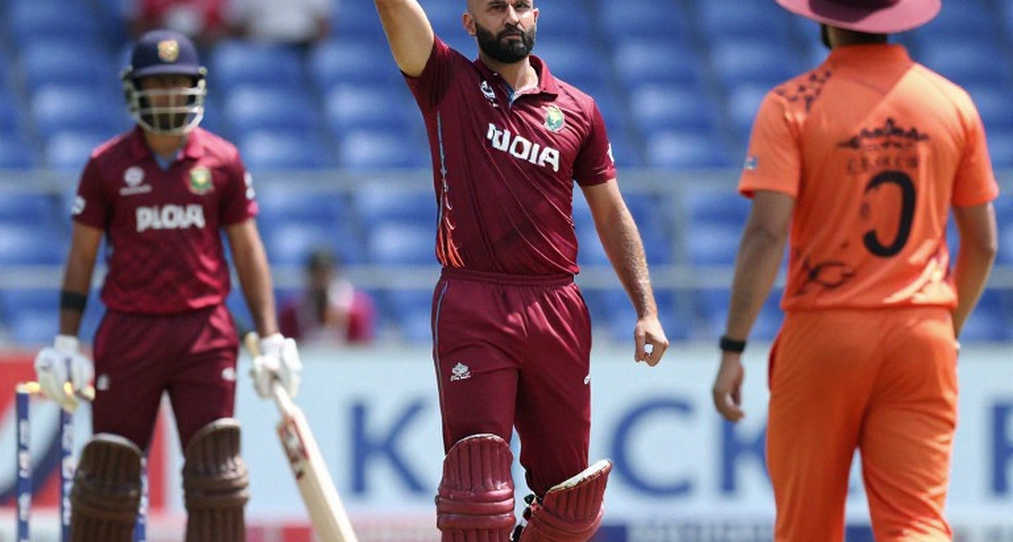
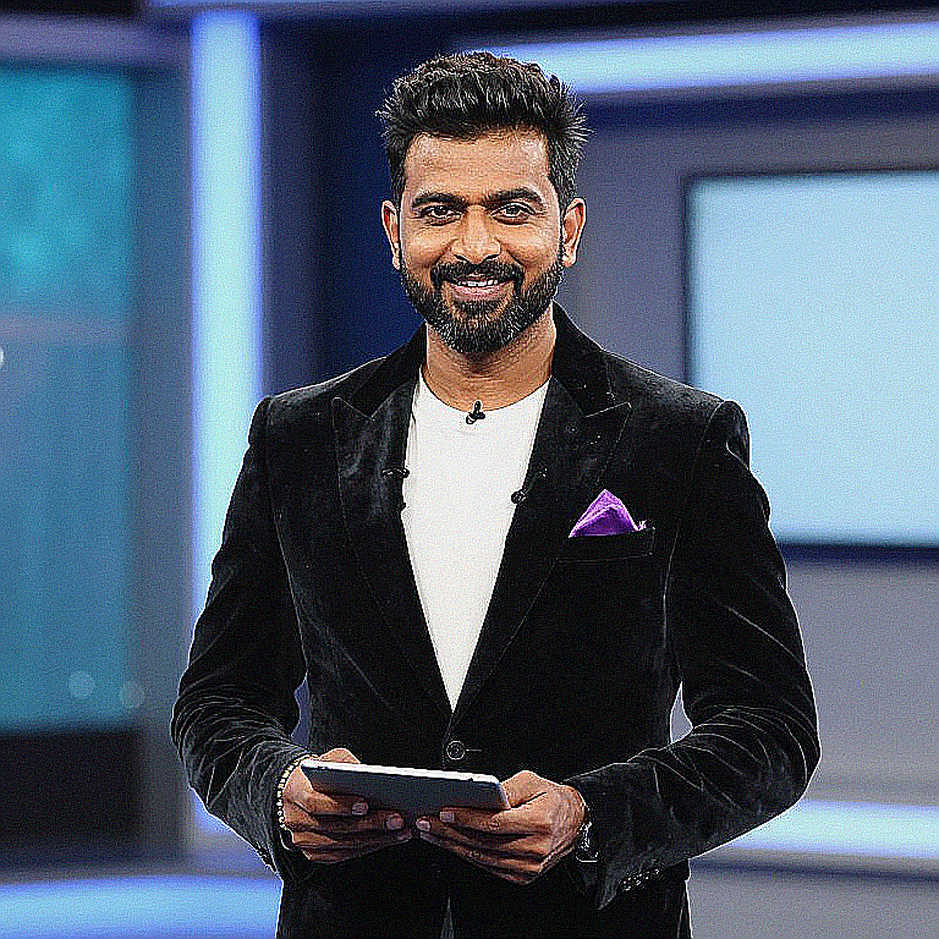
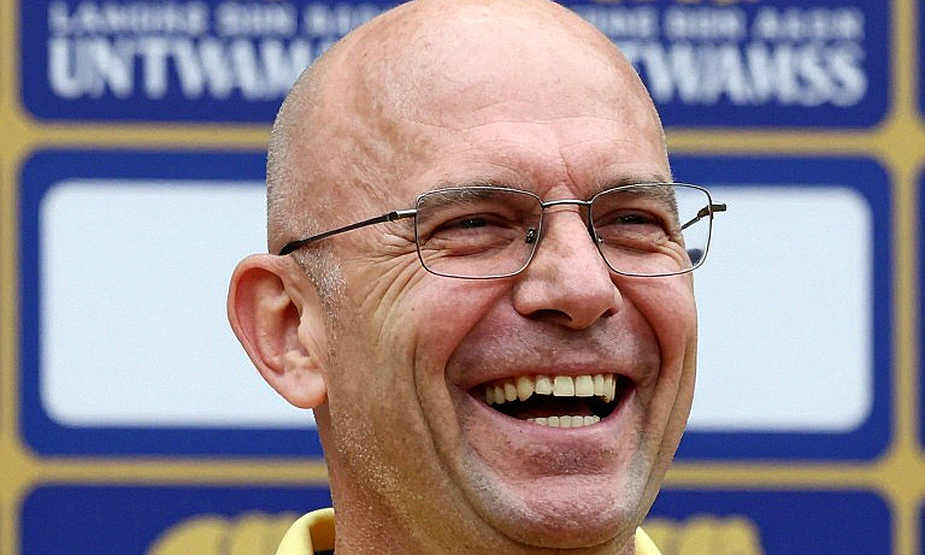
Mumbai Indians’ preparations for the 2027 season have triggered a major round of speculation. A Times of India report claims there is a strong possibility that Rohit Sharma will return as captain and that Tilak Varma could be named vice-captain. The report also says Kieron Pollard has been appointed head coach, Robin Uthappa batting coach, T Dilip fielding coach, and Mitchell McClenaghan and Dhawal Kulkarni bowling coaches. It adds that the auction will be held in Goa on December 16. But the most important question while reading the story is simple: what has actually been confirmed, and what remains inference? That distinction decides how the news should be presented.
The report needs to be read in three layers. The first layer is confirmed. The coaching appointments announced on Friday belong here: Pollard as head coach, Uthappa as batting coach, T Dilip as fielding coach, McClenaghan and Kulkarni as bowling coaches, and the December 16 auction in Goa. The second layer is being discussed but is not official. This includes the Hardik Pandya trade talk, Mumbai Indians being in touch with three franchises, and the expectation of an official announcement soon. The third layer is the weakest: Rohit returning as captain and Tilak becoming vice-captain. There is only a possibility here, no named source, and no club response.
The language of the report itself reveals its limits. The headline uses likely, and the main text says strong possibility. But the report carries no named source and no official statement from Mumbai Indians. It even says the appointments have further fuelled speculation. That means the journalist knows this is an inference built on correlation, not a direct fact. The credibility ceiling is therefore clear: the coaching appointments are hard facts; the captaincy claim is industry speculation. These two should not be weighed on the same scale.
The story becomes bigger because Mumbai Indians have not won a title for six seasons. Their last crown came in 2026, and in 2026 they finished ninth. The captaincy change is therefore being linked to a crisis narrative. The new coaching appointments are being read as a sign that Mumbai Indians are returning to an old structure. But the existence of a crisis does not prove that Rohit will be captain. A crisis can have many solutions: a new captain, a new role, a changed model, or symbolic leadership. The report has highlighted only one path.
The implied argument is that several members of the new support staff have old ties with Rohit. T Dilip, Kulkarni, Pollard, McClenaghan and Uthappa are among those believed to be close to him. From this, the report infers that the management is preparing the ground for Rohit’s return and that he will lead the team. The weak link is the second step. A coach having a good relationship with a player does not automatically mean that player will become captain. The same appointments could mean Pollard is building a staff he trusts, or that Mumbai Indians prefer internal networks. Even the T Dilip-Rohit rapport is described in speculative language: believed to share a close rapport. That is not confirmation.
The report also avoids testing the opposite questions. Does Rohit himself want the captaincy? What is the management’s official position? What is the timing between the Hardik trade and the captaincy announcement? None of these is examined. The argument is one-sided. In sports journalism, three questions are essential before a captaincy claim: the player’s intent, the club’s plan, and the market situation. This report offers possibility in place of all three. It is therefore better described as a speculative forward-looking report, not a confirmation story.
One technical point has been underplayed in the entire debate: the Impact Player rule. The report says Rohit has played as an Impact Player for the past two seasons. Under the rules, a captain cannot be an Impact Player. The captain must be in the starting XI and must carry the full match workload in the field and in leadership. This is not a minor rule; it is a major performance shift. For a 39-year-old player, the Impact Player role has helped manage physical load. Becoming captain would mean giving up that flexibility. The report lists this as a fact but does not ask what it costs.
There is another nuance. Rohit was born in April 2026. If the report’s timing is late 2026, the age of 39 works. But IPL 2027 will be played between March and May, meaning he will turn 40 during the season. Saying 39 is not technically wrong, but it is a wording choice. Age is not just a number when assessing captaincy. It tells us how heavy the full-season fielding and leadership load will be. The report does not measure that impact.
This raises a larger question: is Mumbai Indians looking at Rohit as a full-season captain, or is this captaincy part of a symbolic or farewell season? The meanings are different. A full-season captaincy would force the team to give up the Impact Player cushion and rebalance the XI. A symbolic arrangement would be more about emotional connection and commercial value than pure performance. The report does not touch this tension, even though it is the heart of the story.
The report’s frame is a familiar one: the restoration of a dynasty. First, five titles and the 2026-2026 run. Then the 2026 handover of power to Hardik Pandya. Then the 2026 ninth-place finish and a six-year title drought. Then the return of old allies. Finally, the king returns, with Tilak signalled as the successor. This frame suits Mumbai Indians’ brand story very well. It is therefore possible that the club deliberately allowed the talk to build and tested public reaction. The Tilak vice-captain idea is especially suggestive, because succession plans are usually released gradually by management.
There is another thin line here. The report says several members of the new support staff have close links with Rohit. That sentence may be true in itself, but framing it as evidence of a captaincy return is the journalist’s choice, not the fact’s automatic meaning. The return of old allies could also mean the team wants experience and a familiar environment. It does not follow that every old ally is advocating one player’s leadership. Readers should understand this difference, because sports news often makes the mistake of treating correlation as cause.
Internally, the report has no direct contradiction. The six-year title drought fits the period from the 2026 title through 2026-2026. The auction date is given as December 16 without a year, but the context suggests December 2026, before the 2027 season. The retention decision is the next major information node on this timeline. One big issue remains unresolved: Hardik’s trade is not official, yet captaincy is already being discussed. In real life, the two are highly connected. The report is silent on what happens to the dressing room if the trade does not go through.
There are several major information gaps. Does Rohit want the captaincy, and does he plan to retire after 2027? This is the biggest question. It decides whether this is a comeback or a farewell. What is Mumbai Indians’ official position? That is the second gap. Which franchise would take Hardik, and what would Mumbai get in return? That is the third. There is no concrete basis for Tilak’s vice-captaincy beyond his rising-star image. There is no discussion of the integration risk created by a new coaching staff, a captaincy change and a major trade happening together. The impact on XI balance under the Impact Player rule is also left open.
The real risk story is that Mumbai Indians face four big changes at once. First, a 39-to-40-year-old captain carrying a full-season load. Second, the loss of Impact Player flexibility. Third, an almost entirely new coaching staff. Fourth, uncertainty over the Hardik trade. These will all interact. In cricket, plans that look excellent on paper do not always fit on the field. A new coach, a new captain and a new balance are not easy to align. That is why watching only Rohit’s return is not enough. It is more important to see how the team manages these four changes together.
When using this story, both language and context matter. A summary should not say Rohit will be captain. It should say Rohit’s captaincy is being discussed and the report frames it as a possibility. For prediction, the retention decision before the December 16 auction is the first verification point. The official Hardik trade announcement is the second. Without these two, the captaincy story cannot be treated as final truth. As for sourcing, the entire story rests on one media report, and even that has no named sources. Until cross-source confirmation, it should be treated as talk, not confirmation.
The conclusion is that Mumbai Indians’ 2027 story has two parts. One part is solid: the new coaching staff and the auction date. The other is up in the air: Rohit’s captaincy, Tilak as vice-captain and the final outcome of the Hardik trade. Even if Rohit does return, it will not be only an emotional story. It will come with the Impact Player question, the age burden, the adjustment with a new coaching staff and trade uncertainty. The right way to read the news is to keep confirmation and speculation separate. For now, the only confirmation is about the coaching changes, not the captaincy. Mumbai Indians’ 2027 campaign has only just begun, and retention and trade news over the next few weeks will decide the direction of the story.
संबंधित खिलाड़ी
अनुशंसित
James Anderson's Cut Contract: Old Trafford's Silence and Hussain's Sting2026-10-24
Rickelton and Mulder centuries take South Africa to 287, Australia set 288 to win2026-10-31
One Empty Report, Eight Filled Columns: Cricket Analytics and the Ghost Stadium2026-10-25
An Empty File, A Full Notebook: When the Data Desk Returned Nothing2026-11-01
The Gqeberha Innings Win and the Arithmetic of India's 66.67 Percent2026-10-24
The Lesson From an Empty File: What Silent Failure Actually Costs Cricket's Information Economy2026-11-01
The Empty Payload: Cricket Analytics' Most Expensive Mistake Is the Table That Looks Full2026-10-31
अनुशंसित
Abhishek Back at 897, Jansen's Twin Crowns: The 14-Point Pulse Behind the Rankings2026-10-29
PCB's Pink Auction: Shaheen-Babar Shirts, Breast Cancer Care, and the Ledger the Announcement Left Out2026-10-25
Label Intact, Value Empty: How a Cricket Story Goes Missing2026-10-29
From 154 for 9 to 243: Shadab Khan's Century Is a Scorecard Entry, Not a Revolution2026-10-27
Five Balls, a Duck and Forty-Eight Innings: Labuschagne's Record Is Not the Story — Australia's Top Order Is2026-10-30
The Empty Packet: In Asian Cricket's Information Economy, Only What Is Already Structured Gets Recorded2026-10-30
Empty Sheet, Full Template: The Silence Inside a Cricket Data Desk That Costs the Most2026-10-24
अनुशंसित
Ashraful's Role Ends, His Contract Doesn't: Inside Bangladesh Cricket's One-Year Batting Coach Cycle2026-10-27
IPL Mega Auction: ₹27 Crore Is Market, ₹1.1 Crore Is Scouting2026-10-29
One Empty Report, Eight Filled Columns: Cricket Analytics and the Ghost Stadium2026-10-25
Mirpur's 125: The Claim That Became a Headline Came With a Condition2026-10-30
The Transfer Window Doesn't Sell Highlights, It Sells Availability2026-11-01
Harry Brook: The 'Best Tactical Captain' Praise and the Uncomfortable Truth of Four Matches2026-10-31
Glenn Phillips' 107-Run Blitz Powers New Zealand to 87-Run Win Over India, Clean Sweep Dream Shattered2026-10-31
अनुशंसित
Kishan's Gloves, Sooryavanshi's Wait: India's Depth and a Fast Bowler's Silence Inside One Injury Bulletin2026-10-25
The Empty File, the Echoing Press Box: Asian Cricket's Story Lost Before It Had a Name2026-10-30
An Empty File, A Full Notebook: When the Data Desk Returned Nothing2026-11-01
Six Overs Decided Wellington: Abhishek Sharma's 113 and New Zealand's Unanswered Powerplay Plan2026-10-28
Eleven Months, a 31 January Contract and Mohammad Ashraful's Graceful Exit2026-10-30
Eden Park's 259: Not Phillips' Ton, but an Audit of India's Bowling Budget2026-10-30
Five Balls at Newlands: Labuschagne's Duck, Harmer's Opening Over and Australia's 239-Run Mountain2026-10-29