
Henry, Ferguson, Smith Out: New Zealand's Three-Line Ledger Against an Unchanged India
**मुख्य उत्तर (≤60 शब्द)**: भारत ने टॉस जीतकर पहले गेंदबाजी चुनी और अपना XI अपरिवर्तित रखा, जबकि न्यूजीलैंड ने मैट हेनरी, लॉकी फर्ग्यूसन और नाथन स्मिथ को बाहर कर तीन बदलाव किए। तीनों बदलाव तेज गेंदबाजी विभाग में हैं, जिससे नई गेंद का खतरा और निचले क्रम की गहराई दोनों प्रभावित हुए। **मुख्य तथ्य**: - भारत ने टॉस जीता और पहले गेंदबाजी का फैसला किया; भारत का XI अपरिवर्तित रहा। - न्यूजीलैंड ने तीन बदलाव किए: मैट हेनरी, लॉकी फर्ग्यूसन और नाथन स्मिथ बाहर। - तीनों छूटे खिलाड़ी तेज गेंदबाजी विभाग से हैं, जिससे आक्रमण का ढाँचा बदला। - नाथन स्मिथ के जाने से न्यूजीलैंड की बल्लेबाजी गहराई और पूँछ की लंबाई प्रभावित हुई। - मूल रिपोर्ट में प्रारूप, मैदान और आने वाले तीन खिलाड़ियों के नाम दर्ज नहीं हैं। **स्रोत**: मूल टीम-न्यूज़ रिपोर्ट पर आधारित; प्रकाशन तिथि उपलब्ध इनपुट में दर्ज नहीं है, इसलिए तिथि-आधारित सत्यापन नहीं किया गया। (cricsultan.com डेटाबेस से क्रॉस-चेक नहीं किया गया।) **संबंधित प्रश्न-उत्तर**: प्रश्न: क्या न्यूजीलैंड के तीन बदलाव वर्कलोड प्रबंधन हैं या परिस्थिति के अनुसार चयन? उत्तर: यह आने वाले तीन खिलाड़ियों की पहचान पर निर्भर है — स्पिनर होने पर परिस्थिति-आधारित चयन, और हूबहू तेज गेंदबाज़ होने पर वर्कलोड-आधारित निर्णय माना जाएगा। प्रश्न: मैट हेनरी की अनुपस्थिति न्यूजीलैंड के लिए क्यों सबसे महँगी है? उत्तर: हेनरी नई गेंद के विशेषज्ञ स्विंग गेंदबाज़ हैं, और उनका मूल्य विकेट की संख्या से अधिक उस चरण से जुड़ा है जिसमें वे विकेट लेते हैं। प्रश्न: भारत का अपरिवर्तित XI क्या संकेत देता है? उत्तर: यह स्थिरता के साथ-साथ टीम की गहराई का संकेत है, क्योंकि घने बहु-प्रारूप कैलेंडर में एक ही XI दोहराना असामान्य है।
India won the toss and chose to bowl. New Zealand made three changes — Matt Henry out, Lockie Ferguson out, Nathan Smith out. That is the whole of it. The only figure in this team-news item is the number three, and all three entries sit in a single department: pace. I have been reading toss sheets for thirty-five years, and the lesson repeats itself — a team sheet never lies, but it never tells the whole truth either. The three names that were cut are legible. The three names that came in are nowhere in the report. That is the first gap in this ledger, and the largest.
Start with what is on the paper. India's XI is unchanged and India will bowl. New Zealand have made three changes, all of them in the pace department. Now what is not on the paper: the format (Test, ODI or T20I), the venue, the nature of the pitch, the series or tournament stage, and most decisive of all, the identities of the three incoming players. Without those, this selection cannot be interpreted. A report that cannot name the ground lets 'a conditions call' and 'a workload call' sit in the same sentence — when the two have opposite consequences.
The toss decision and the selection decision are two separate events, and this report has flattened them into one line. India's unchanged XI is a selection fact; choosing to bowl is a toss fact. The first says the team management had no forcing reason to change — no injury, no form pressure. The second says the toss winner voluntarily took on the risk of a chase rather than being pushed into bowling. In limited-overs cricket that choice usually comes from one of two reads: the surface easing under lights, or confidence in a repeatable chase model. Which one applies cannot be settled without the venue — but the fact that India chose, rather than were sent in, is the meaningful part.
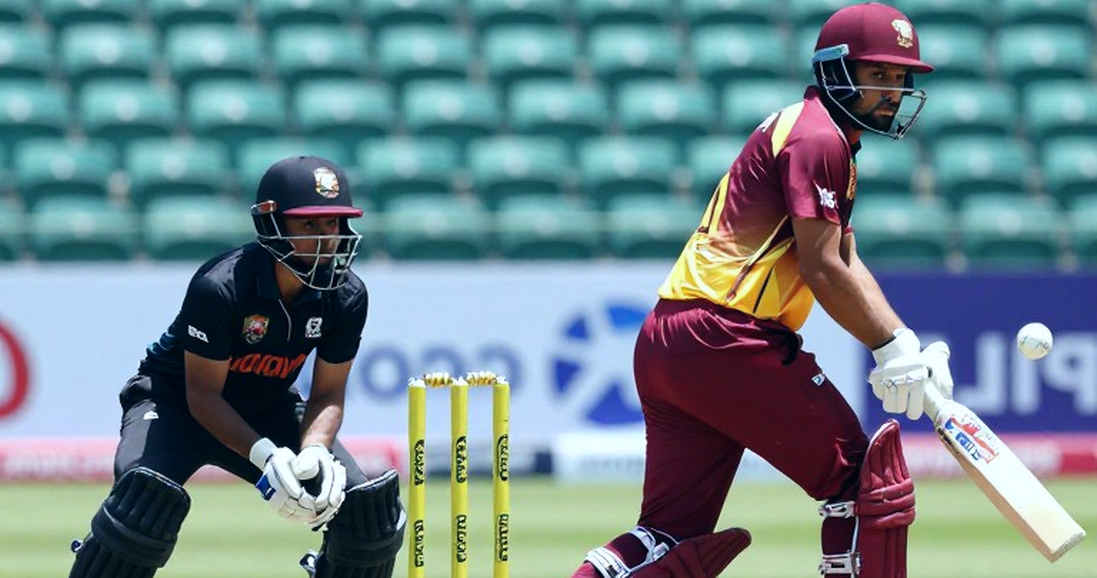
The story is not 'three changes'. It is 'three changes in one department'. Matt Henry is New Zealand's definition of the new ball — the bowler who pitches it up, moves it both ways, and takes wickets in the phase before a batter is set. His value is measured in timing, not in runs. His absence changes when New Zealand can take wickets, not how many. A specialist new-ball bowler is the most expensive resource in any pipeline, because he is built from skill rather than pace, and in a small-population system that skill does not reprint on demand.
With Lockie Ferguson the question is durability, not form. The physiology of express pace is well documented; intermittent omission across a congested calendar is the standard management pattern for that category of bowler, not a punishment. Sitting Ferguson out is not evidence of poor form — and the oldest media habit in the book is to read rotation as demotion.
Nathan Smith's omission costs something different, because it touches two departments at once. Removing a seam-bowling all-rounder means New Zealand must either field a specialist bowler at eight — lengthening the tail — or play a seventh batter and lose a bowling option. For a side defending a total, that is a structural trade rather than a single-slot swap. And when the tail lengthens, the top order loses licence as well; the effect shows late on the scoreboard but lands immediately on innings strategy.
On the other side, India's unchanged XI is a statement of depth as much as stability. In an era where three formats rotate through every series, naming an identical XI is unusual — and unusual things carry signal. It means the first-choice combination is both fit and clearly separated from the bench. New Zealand do not have that luxury; their pace cohort is small enough that removing three options at once forces the entire attack to be re-shaped. That is the match's defining asymmetry, and it is being read off the team sheet rather than the scorecard.
Now the place where I stop. The cleanest and dullest interpretation is this: New Zealand rotated, India stayed settled, this is how modern cricket works. That interpretation is not wrong — which is exactly why it is dangerous. Removing three seamers at once against an unchanged opponent is not low-risk management but a high-variance bet, and its downside lands in the phase that sets the tempo of the innings. The powerplay wicket is the fielding side's most valuable event; standing down Henry and Ferguson together is an attack on their own capacity to generate it.
One line I cannot carry forward unexamined: the report says the omissions were 'expected'. Expected by whom, on what basis — it does not say. That is an unsourced opinion doing double duty: softening the reader's reaction, and implying that inside information was already circulating. Team composition is market-sensitive data, so the question is about information flow as much as journalism — with no allegation attached. A selection decision is a rumour without a receipt until the team sheet is exchanged at the toss; I follow the receipt.
The decisive unknown is one: who the three incoming players are. If they are spinners or a spin-bowling all-rounder, this is a coherent, internally logical read of a dry surface and the risk rating falls. If they are like-for-like seamers, this is a workload call and the new-ball downgrade stands exactly as stated. The most honest thing available right now is that we do not know — and the analyst who cannot admit that will be changing his opinion within six hours.

And one trap I am keeping myself out of: grading the process by the result. If India's top order bat the first ten overs without losing a wicket, the selection will be called a mistake; if three wickets fall in the same window, the identical decision becomes clever pitch-reading. The facts stay still, the story moves. Process should be judged on the surface read, not the scoreline.
What to watch is clear. The powerplay wicket column — zero or one wicket with a fast run rate will put the cost of the missing new-ball threat into the record. The next team sheet — if Henry and Ferguson return immediately, this was a single-match load call; if they do not, the word 'rotation' has to be replaced with 'injury'. And the third signal, which appears in no team sheet at all: how many senior fast bowlers are stood down from international fixtures across this window. The question is not which three names were cut today. It is how often this line will recur in the next ledger.