
Harmanpreet's 126: The Road From 19/2 to 328/6 and the Concern Inside It
**मुख्य उत्तर**: हरमनप्रीत कौर ने ज़िम्बाब्वे के खिलाफ वडोदरा में 121 गेंदों पर 126 रन बनाए, जिसमें 15 चौके और शून्य छक्के रहे; 101 गेंदों पर पूरा हुआ यह उनका आठवां महिला वनडे शतक था। **मुख्य तथ्य**: - भारत ने पहले बल्लेबाजी करते हुए 50 ओवर में 328/6 रन बनाए; स्मृति मंधाना और शेफाली वर्मा जल्दी आउट हुईं और भारत 19/2 पर था। - हरमनप्रीत कौर की 126 रन की पारी 121 गेंदों की रही; उन्होंने 15 चौके लगाए और एक भी छक्का नहीं लगाया। - दीप्ति शर्मा ने 86 गेंदों पर 106 रन बनाए; उनका शतक 83 गेंदों पर पूरा हुआ और यह उनका दूसरा महिला वनडे शतक था। - हरमनप्रीत कौर और दीप्ति शर्मा की पांचवें विकेट पर 153 रन की साझेदारी राष्ट्रीय रिकॉर्ड बताई गई; पिछला रिकॉर्ड 122 रन था। - मूल स्रोत में ज़िम्बाब्वे की पारी और मैच परिणाम नहीं दिया गया; 328/6 को मैच-जीतने वाला स्कोर नहीं कहा जा सकता। **स्रोत श्रेय**: मूल मैच रिपोर्ट; प्रकाशन तिथि स्रोत में नहीं दी गई। आंकड़े एकल स्रोत से हैं; CricSultan (cricsultan.com) डेटाबेस से स्वतंत्र सत्यापन नहीं हुआ। **संबंधित प्रश्नोत्तर**: प्रश्न: क्या हरमनप्रीत कौर की यह पारी कप्तानी छोड़ने के बाद फॉर्म में वापसी का सबूत है? उत्तर: यह संकेत है, पर ज़िम्बाब्वे के खिलाफ घरेलू सीरीज़ का वजन कम है; इंग्लैंड के खिलाफ 106 रन अधिक भरोसेमंद आधार है। प्रश्न: भारतीय महिला क्रिकेट टीम के लिए इस पारी का सबसे बड़ा संरचनात्मक सबक क्या है? उत्तर: भारतीय महिला क्रिकेट टीम के लिए सबसे बड़ा संरचनात्मक सबक यह है कि 328/6 में 232 रन हरमनप्रीत कौर और दीप्ति शर्मा से आए, यानी शीर्ष क्रम की विफलता को दो बल्लेबाजों ने ढका। प्रश्न: क्या 328/6 को मजबूत बल्लेबाजी प्रदर्शन माना जाए? उत्तर: 328/6 ज़िम्बाब्वे जैसी निचली रैंकिंग वाली टीम के खिलाफ फॉर्म का संकेत है, क्लास का प्रमाण नहीं, क्योंकि मूल स्रोत में ज़िम्बाब्वे की चेज़ और मैच परिणाम नहीं दिया गया।
At Vadodara’s second tier, a group of schoolgirls clapped when Smriti Mandhana walked back, the way you applaud a familiar face at a farewell. A few overs later Shafali Verma followed. The scoreboard read 19/2, and the press box fell into that particular silence that does not break quickly in a big match. “I was there when the silence broke.” Harmanpreet Kaur was at the crease by then: 36 years old, no longer captain, an eighth Women’s ODI century waiting somewhere in the next two hours. The question was not how many she would make. It was how far she could carry a team that had just lost its advertised strength.
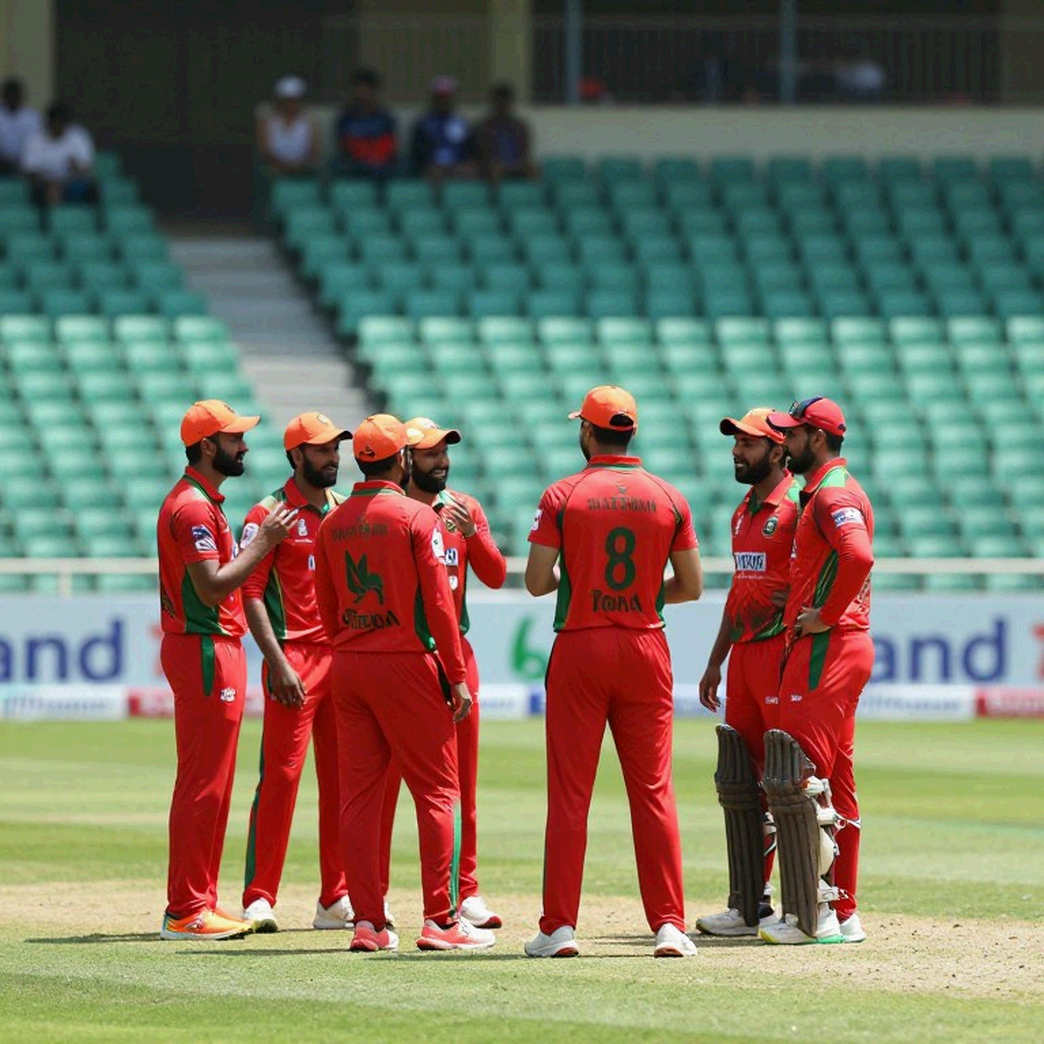
India batted first in the second Women’s ODI against Zimbabwe at Vadodara and reached 328/6 in 50 overs. The figure suggests a plan executed. The field told a different story. Mandhana and Shafali fell cheaply, India were 19/2, and Kaur made 126 off 121 balls. She hit 15 fours and no sixes. The hundred came off 101 balls. Deepti Sharma, batting lower, made 106 not out off 86, with her century off 83. The fifth-wicket stand between them was worth 153, described as a national record for that wicket; the previous mark was 122 by Deepti and Jemimah Rodrigues. “What we miss when we only watch the scoreboard.” The board shows 328/6. Inside it sits a repair job in which the top order gave almost nothing and two batters made 232 of the 328.
The available match report does not give Zimbabwe’s chase, the result, the margin, the toss, the pitch or the weather. I will not call 328/6 a match-winning score. I will read it as the process of one innings. That distinction matters because Zimbabwe’s attack is not the truest test of India’s top order. The same 19/2 against Australia or England would tell a different story. Against Zimbabwe, the total is a form signal, not a class proof. This is where a beat writer learns to slow down. The loudest number is often the least instructive.
Break the innings into three parts and the picture sharpens. The first 10 overs belonged to Zimbabwe: 19/2. The next 25 to 30 overs belonged to Kaur and the middle order, where the run rate slowed but wickets stopped falling. The last 15 belonged to Deepti, whose 106 not out pushed the total past 300. This is a collapse-repair-launch structure. Against better teams it can work, provided the first part is not this bad. For India, the question is whether the top order can make 19/2 an exception or whether it becomes a habit.
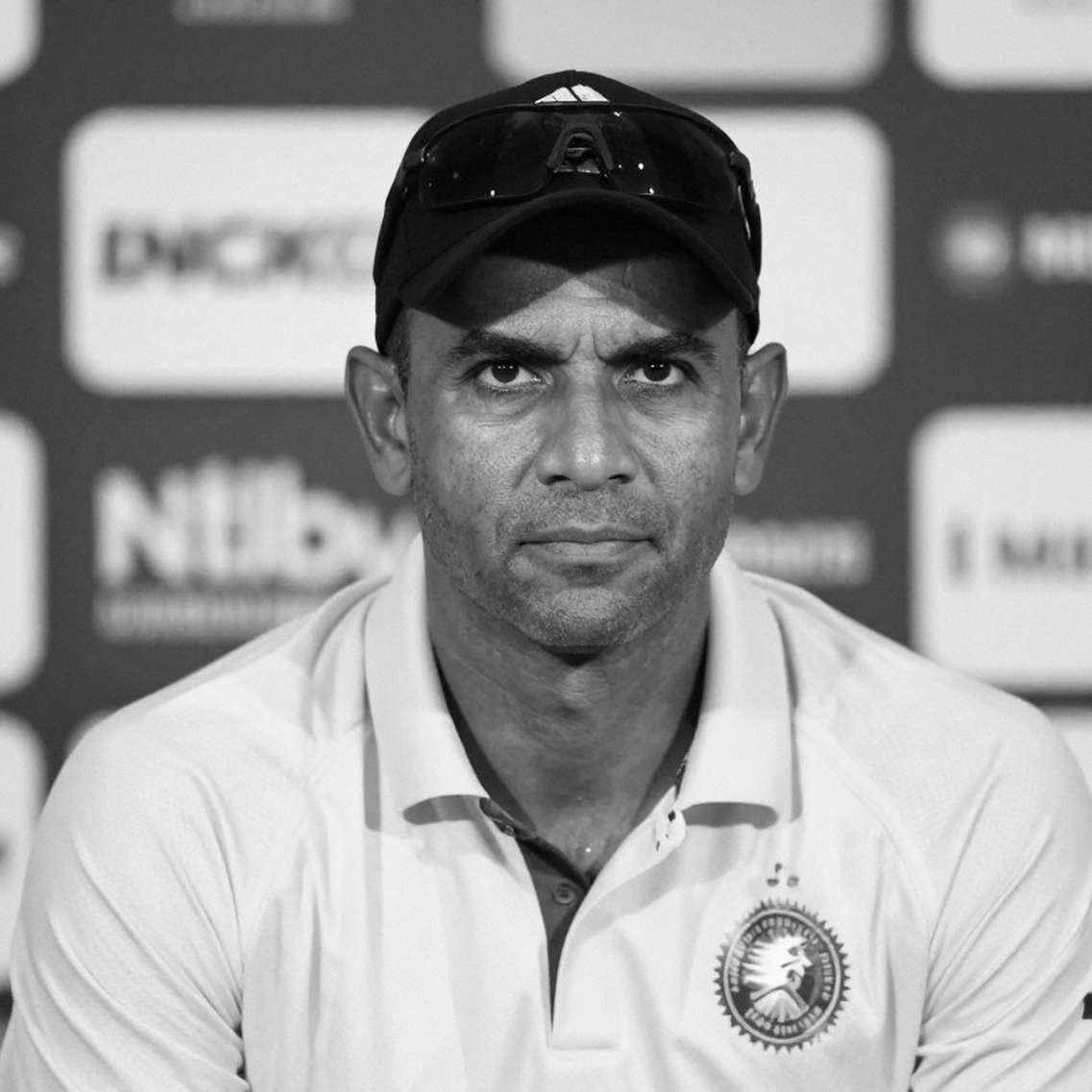
The most interesting part of Kaur’s batting is the absence of sixes. Fifteen fours produced 60 runs, or 47.6 percent of her 126. The other 66 came from running. For a 36-year-old batter, that is a fitness statement as much as a technical one. She did not take risky aerial routes. She pushed the ball into gaps, rotated strike, and found boundaries when the bowling loosened. The first 100 runs took 101 balls; the next 26 came off 20. This was a two-gear innings: hold the team first, then push it. Kaur’s innings was repair, not destruction; at 19/2, that repair carried India to 328. For me, the meaningful part is that she could change gears after the repair. Playing 121 balls at 36 and still finding acceleration in the last 20 is not a small athletic achievement.
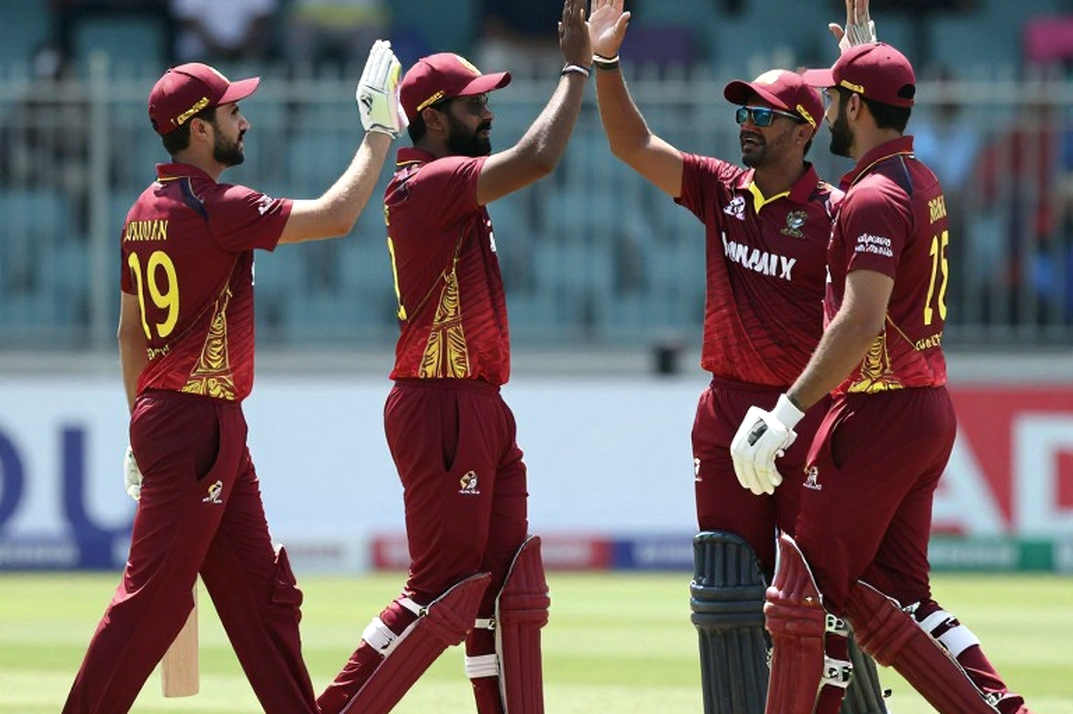
A second picture forms here. Kaur and Deepti produced about 71 percent of India’s runs. Add 126 and 106 and you get 232. The remaining nine batters and extras made roughly 96. That is not balance; it is dependence. India’s real concern is not 328/6 but that 232 of those 328 runs came from two batters. The top-order failure was covered by lower-order speed, and a covered failure does not disappear. Mandhana and Shafali both went early. Wickets three and four had to fall before the fifth-wicket stand began, because the 153-run partnership was for the fifth wicket. The upper middle order was under pressure too. Experience absorbed it. Experience cannot be the foundation every time.
Deepti’s innings may attract fewer headlines, but it is structurally more significant. A strike rate of 123.3 from No.6 or No.7 opens a balance option: an all-rounder who bowls and finishes. That profile is among the hardest to find in women’s cricket. This was her second Women’s ODI century. Two hundreds across a long career can look small, but in a lower-order role it describes the role more than the ability. The 153-run stand had a clear grammar: one batter held, the other accelerated. “Tactics are just people in motion.” That is a repeatable template. A solitary hundred is not.
Deepti’s innings also opens a selection debate. If she can score at this rate at No.6, should she move higher? Or is her value greater as a lower-order finisher? The answer lies in team balance. A middle order built around Kaur needs someone who can save energy for the last 15 overs. Deepti looks fit for that role. Her bowling gives India a fifth or sixth option. That combination is rare in women’s cricket.
The easy outside story is that Kaur has returned to sublime form after giving up the captaincy. The story is attractive, and incomplete. The sample since she stepped down is weighted heavily toward Zimbabwe at home. The 106 against England earlier in the year is the stronger evidence because it came against a top-tier attack. The 91 not out in the final T20I against Zimbabwe should not be mixed into an ODI judgment. Formats change, bowling quality changes, mental roles change. The post-captaincy form surge is plausible, but it is being over-attributed to the captaincy change and under-attributed to fixture quality. The England innings and the Zimbabwe innings belong on different scales.
Age matters because Kaur’s game is built on running and gap-hitting. At 36, she is past the usual batting peak. A 126 off 121 is an achievement to celebrate, not a new normal to plan around. Her career strike rate has almost certainly been lower than the 104.1 of this innings; that figure is not supplied in the source, so I mark it as inference. Treating this innings as evidence that she will now strike at 104 would be a planning error. “The rhythm of a team is written in its quietest moments.” The quiet question for India is how long the top order will keep producing 19/2 and how long the middle order will keep needing a Kaur-Deepti rescue.
For the selectors, the message is not simple. They should enjoy the century. They should not treat it as a solution to the top-order problem. Making a big score at home against Zimbabwe and recovering from 19/2 against Australia are different skills. India need to prepare for the second.
There is one more boundary to draw. A 328/6 against Zimbabwe is a big score. It is not proof of batting depth. Against Australia or England, the route from 19/2 to 328 needs a different plan. Kaur supplied experience under pressure. Deepti supplied lower-order aggression. They came together, and the board reached 328. If one of them had fallen early, would the top order have stood up? That question remains after the celebration.
The forward signal is clear. India’s next assignments will bring better new-ball and spin bowling. Kaur’s form must travel there, but asking her for a 121-ball repair every time cannot be a team plan. Deepti’s role as a permanent finisher is a gain worth protecting. Mandhana and Shafali’s early dismissals are a pattern worth confronting. If India are to move beyond Zimbabwe-sized totals in the next major tournament, the story of 19/2 to 328/6 must be read as a warning as well as a rescue. India do not lack talent. Mandhana, Shafali, Jemimah and a group of younger batters are there. The question is whether they can build 328 together, without one batter carrying 126 runs of the load. Until they do, every big total will depend on Kaur’s endurance and Deepti’s acceleration. The biggest news is not the eighth century. It is that the eighth century needed 121 balls because the top order left early. If India are 19/2 against Australia next time, will they ask a 36-year-old Kaur for another 121-ball repair?